
Lockouts and Lock Emergencies in Columbus
Locked out, a key snapped off in the lock, or a door that won’t lock after a break-in: these are the jobs that can’t wait for a convenient day. Each one goes better with a clear head and a plan.
Most lock emergencies come down to one of two problems: someone can’t get in, or a door can’t be secured. Before anything else, make sure everyone is safe. If a child or pet is shut inside a car in heat or cold, if something is left on the stove, or if you think someone may still be inside after a break-in, call 911 first.
When someone is locked out, a key has broken off in the lock, or a door won’t lock after a break-in, the phone is the place to start.
For a lock that can wait a few days, book an appointment instead.
First Steps for Common Emergencies
Every situation is a little different, but the first moves are much the same. Stay safe, don’t make the damage worse, and gather what a locksmith will need. Here’s what to do in the meantime and what the work usually involves.
| Situation | What to do while you wait | What the locksmith does |
|---|---|---|
| Home lockout | Try other doors you can reach safely. Don’t kick the door or climb through a window. | Tries to open the lock without damage first; drilling is a last resort. |
| Vehicle lockout | Stay with the car if it’s safe, and check every door and the trunk release. | Opens the door with an air wedge and a long-reach tool, or cuts a new car key. |
| Lost or stolen keys | Think back to where they were last, and whether anything with your address went with them. | Rekeys the locks so the missing keys stop working. |
| Broken key in lock | Don’t push the broken piece deeper or try glue. Keep the other half. | Pulls out the broken piece, checks the cylinder and cuts a new key. |
| Break-in damage | Call the police first, and leave the door as it is until they’ve seen it. | Makes the door lock again, then repairs or replaces the damaged hardware. |
| Business door lock failed | Keep the door watched. Never chain or block an exit. | Repairs or replaces the lock or exit device so the door locks and still opens from inside. |
A few things make any of these harder. Forcing a door bends the frame and splits the wood around the strike. Prying at a car door can tear weather stripping or scratch the glass. A snapped key pushed in with a second key often lodges deeper. When in doubt, leave it and call.
Call Now or Send a Request
Four yes-or-no questions point to the right first step.
Four questions, one first step
Then press Check It, and we’ll point you to the right first step.
Have This Ready When You Call
- Where you are: the street address, or where the car is parked and the nearest cross street.
- The type of lock or vehicle: a deadbolt, a knob, an old mortise lock, or the car’s make, model and year.
- What happened, in a sentence or two.
- A phone number where you can be reached, in case your phone is locked inside.
- A photo ID, and proof that you own or rent the property or own the vehicle.
When a Door Has Been Forced
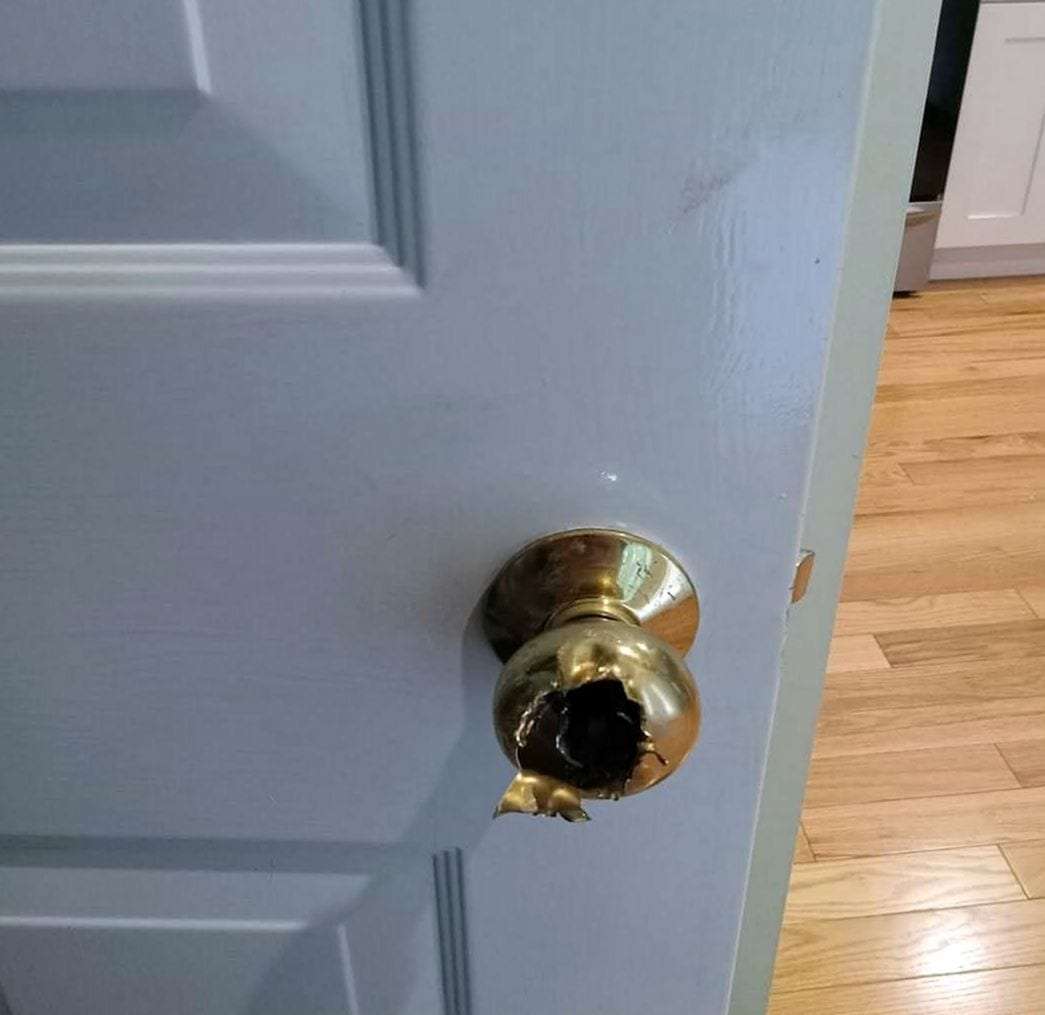
A break-in leaves two problems at once: the damage itself and a home or business that can’t be locked. Call the police before anything else. Once they’ve seen the door, the job is to get it locking again, then to repair what was broken. On a shop or office door, exit hardware and keys held by staff are part of the picture too, which is where commercial lock work comes in.
Getting the Door Locking Again
A drilled or pried lock usually has to be replaced, and the strike or the wood around it may be split as well. A locksmith first makes sure the door can be locked, then fits new hardware and sets the strike so the bolt throws all the way. If any keys were taken in the break-in, rekeying the other outside locks keeps them from working.
Lockout and Break-In Questions
Why does a locksmith ask for proof of ownership?
Because opening a door or a car for the wrong person would be a serious mistake. Expect to show a photo ID with the address on it, or a lease, a utility bill or mail in your name. For a vehicle, the registration or title does the job. If the papers are locked inside, a locksmith can usually check them once the door is open.
What should I do after a break-in?
Call the police first, and get a report started before anything is fixed. Don’t touch the damaged door or lock until they’ve seen it, take photos, and keep the report number, since an insurance claim usually needs it.
Then have the door made secure. If keys were taken, or could have been copied, rekey the outside locks as well.
Does it matter whether keys were lost or stolen?
It changes how much to worry. A key lost somewhere with nothing tying it to your address carries little risk, and a new copy may be enough. Keys stolen with a wallet, a bag or anything showing where you live are another matter: rekey the outside locks soon so those keys stop working. For a car, a missing key or fob can often be erased from the car’s memory when new ones are programmed.
Locked out, or a door that won’t lock? Give us a call.