
Lock Checks and Upkeep Around Columbus
We clean and lubricate aging locks, adjust strike plates and hinges on doors that have shifted, and check the hardware before a change in season causes trouble. A little upkeep keeps keys turning and doors latching the way they should.
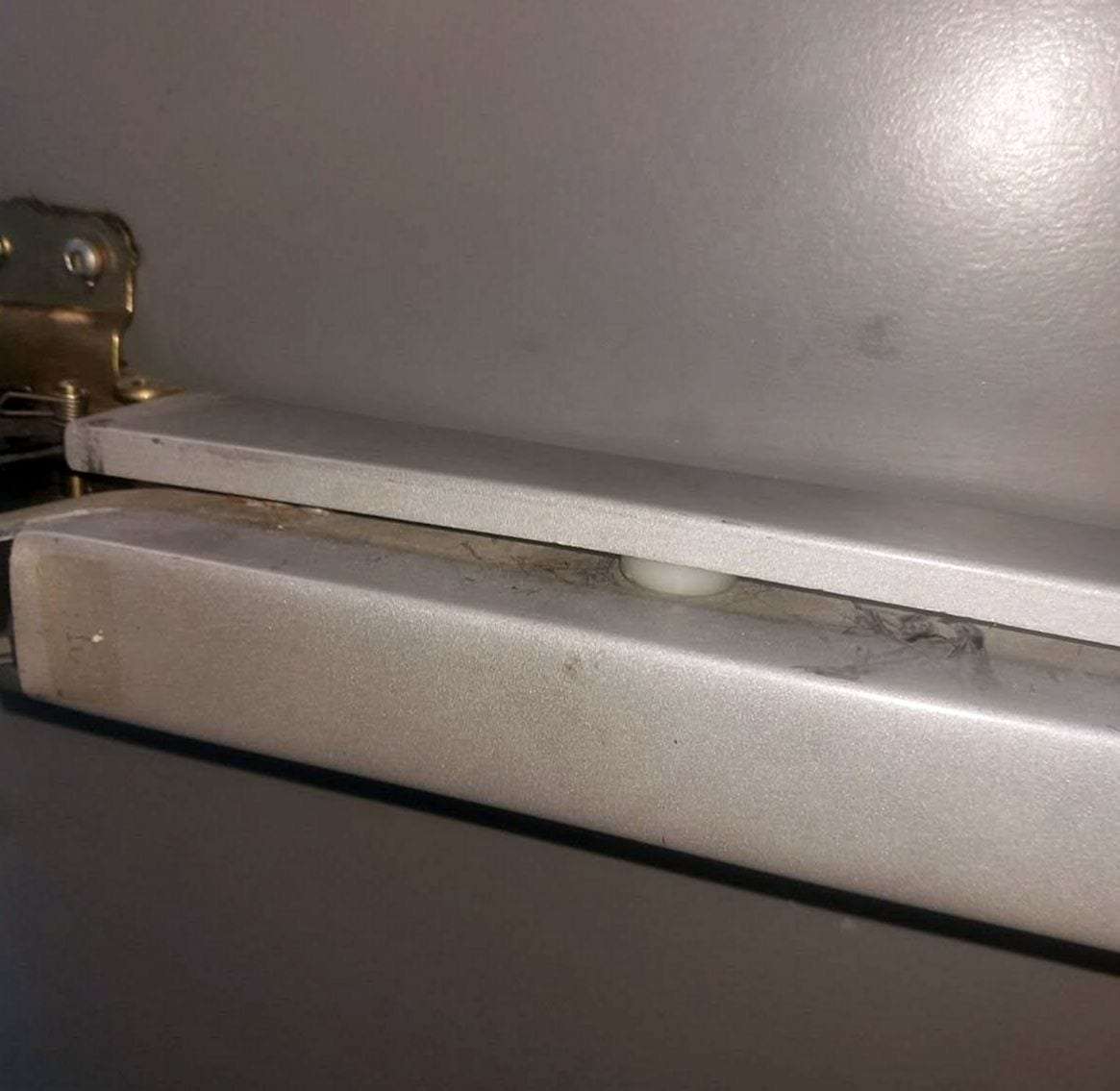
Most lock trouble gives a warning before it leaves you on the wrong side of a door. A lock is a small machine full of pins and springs, and like any machine it does better with a little care than with none.
A Close Look at Every Moving Part
A good lock inspection goes beyond the lock itself. The door, the frame, the hinges and the keys all have a say in whether a lock works, so each of them gets a look.
| Component | What is checked | Signs it needs attention |
|---|---|---|
| Cylinders | Pins, springs and the keyway for dirt and wear | The key drags, sticks or has to be jiggled |
| Deadbolts | How far the bolt throws and how smoothly it moves | The bolt stops short or needs the door pushed to lock |
| Strike plates | Alignment with the latch and bolt, and screws that hold | The latch catches on the plate, or there are fresh scrape marks |
| Hinges | Loose screws and sag that drops the door out of line | The door rubs at the top corner or the gap is uneven |
| Door closers | Closing speed and the last push that sets the latch | The door slams, or drifts shut without latching |
| Exit hardware | Push bar travel and whether the latch catches every time | The bar sticks, rattles or needs a second push |
| Window locks | Sash locks reaching their keepers and holding tight | The lock spins loose or won’t close all the way |
| Keys | Worn cuts, cracks, bends and copies made from copies | A key works only at an angle or with a wiggle |
Most of what turns up is small: a loose screw, a strike that sits a little high, a cylinder that needs cleaning. Caught early, those are simple adjustments. Left alone, they turn into a lockout, a snapped key or a lock that has to be replaced.
When Doors Shift With the Seasons
Ohio winters are hard on doors. Freeze and thaw cycles swell and shrink wood frames, so a latch that slid home easily in the fall starts to bind, and the deadbolt stops lining up with its strike. People often blame the lock, but the lock is usually fine. The door has moved around it.
The answer is usually an adjustment rather than new hardware. Moving or filing the strike plate, tightening hinge screws, or setting longer screws into the framing can bring the door back in line. Forcing a bolt that doesn’t line up is what wears out the bolt and the strike, so it’s worth seeing to early.
Do-It-Yourself Seasonal Lock Check
Once each season, on every outside door:
- The key turns smoothly in every lock, with no jiggling or drag.
- The deadbolt extends all the way, with the door open and with it closed.
- The door closes and latches without a push, a lift or a slam.
- The strike plate screws are snug and the plate isn’t bent.
- Knobs, levers and thumb turns don’t wobble or spin loose.
- Every spare key works, including the ones held by family or a neighbor.
Questions About Lock Upkeep
What should I use to lubricate a lock?
A dry lubricant, such as powdered graphite or a product made for locks. Household oil seems to help at first, but it holds on to dust and grit, and over time it gums up the pins.
A small puff into the keyway is plenty. Work the key in and out a few times and turn it both ways. If the lock still drags after that, the trouble is usually wear or a door out of line, not dirt.
Can a worn key cause problems?
Yes. Keys wear along with the pins they lift, and a copy made from a worn key copies the wear. If one key turns easily and another needs a wiggle, the worn key is likely the problem. A new key cut to the lock’s original depths often brings back a smooth turn. If every key drags, the cylinder may be worn too and need a repair.
When does it make sense to rekey?
Rekeying sets the lock to a new key, so the old keys stop working while the hardware stays put. It makes sense when you can’t account for every key, when a key goes missing, after a roommate or tenant moves out, or when you’d like one key to open several doors.
Should I check my locks after a move or a change in key holders?
Yes. After a move there’s no telling how many copies the last owner gave to neighbors, contractors or family. The same goes when a tenant, an employee or a dog walker no longer needs a key. It’s a good time to look over every lock and window latch, and to rekey the outside doors so only the keys you hand out will open them.
Business Doors Work Harder
A shop or office door can open more times in a day than a front door at home does in a month. That traffic wears out closers, hinges, latches and exit hardware first. A closer set too hard slams the door and pounds the latch and strike. One set too soft lets the door drift shut without latching, so it looks locked when it isn’t.
Exit hardware needs the closest attention, because people count on it in an emergency. A push bar should release with one press, the latch should catch every time the door closes, and nothing should ever be chained, blocked or propped. Steel back doors pick up grime and grit around the latch, which slows it down until one day it doesn’t catch at all.
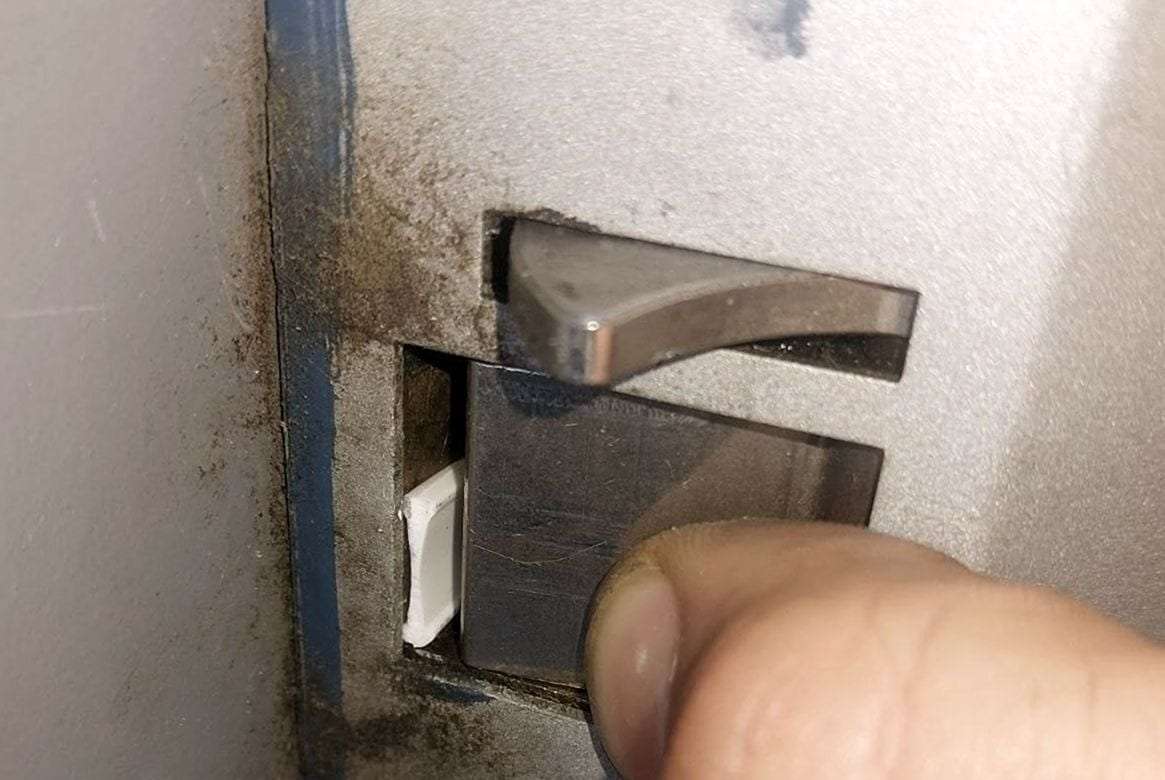
Upkeep on a business door usually means cleaning and lubricating the latch, setting the closer, tightening hinge and strike screws, and testing each exit device from inside. If a door at your home or business has started to drag, slam or stick, book an appointment and let us know which doors are giving trouble.
A key that drags or a door that won’t latch is worth a look before it fails.