
Locks and Keys for Columbus Businesses
A business door sees more use, and more key holders, than any door at home. We rekey after staff changes, set up master key systems for small offices and rental properties, and work on exit devices, keypads and storefront locks.
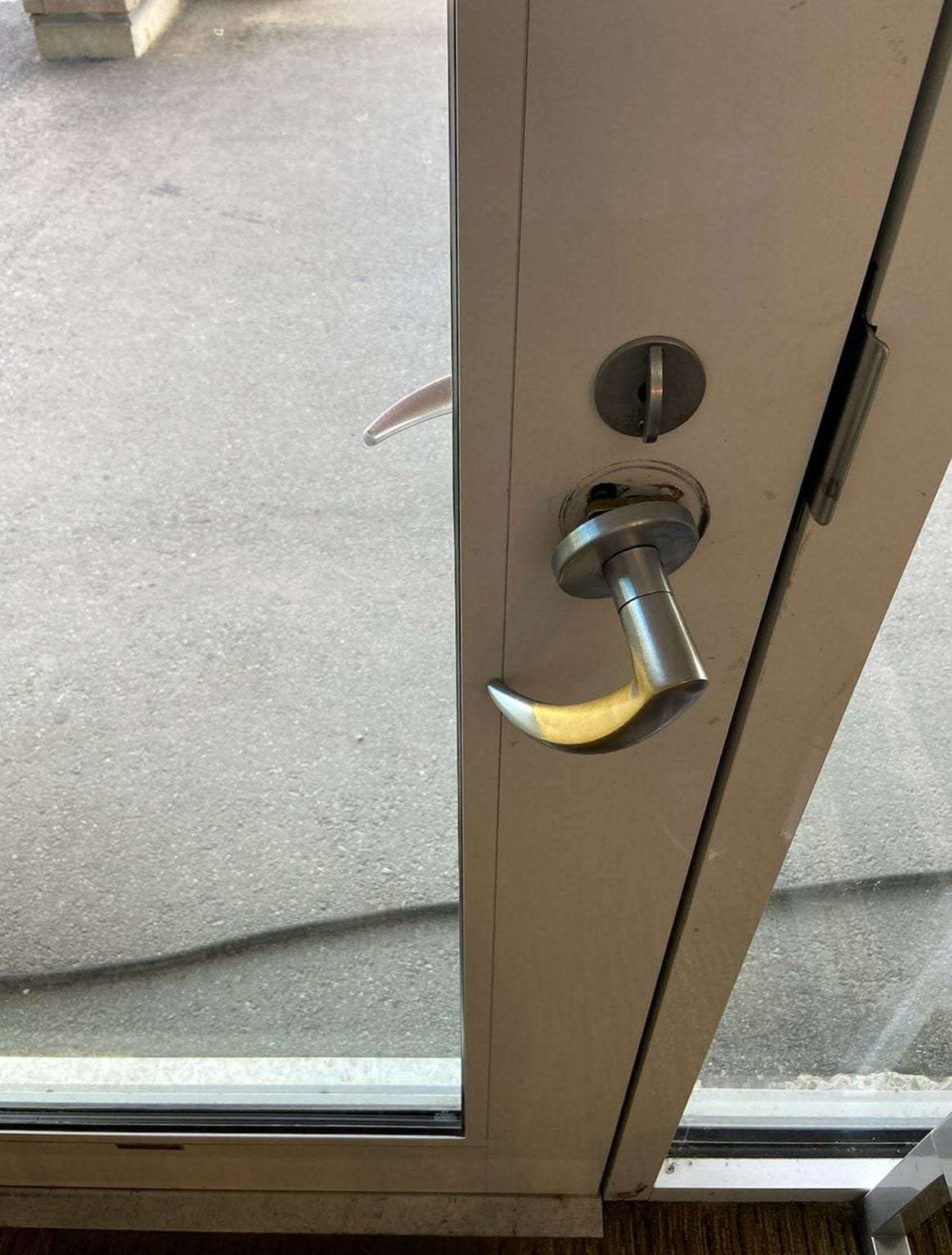
Most commercial lock work starts with a question about keys: who has them, who should, and what happens when someone leaves. The hardware matters just as much, because a door that opens all day long wears in ways a front door at home never does.
Work for Shops, Offices and Rentals
Business lock jobs come in many sizes, from one desk drawer to every door in a building. Each one goes better with a few decisions made beforehand, so the work fits the way the place runs.
| Job | Business setting | Hardware involved | What to decide beforehand |
|---|---|---|---|
| Rekeying after staff changes | Offices, shops and restaurants after someone leaves with a key | The cylinders you have, set to new keys | Who keeps a key, and how many copies to cut |
| Master key systems | Small offices and rental properties | Cylinders keyed so each key opens its own doors and a master opens them all | Who opens which doors, and who holds the master |
| High-traffic door hardware | Front entrances, back doors and busy inside doors | Commercial-grade locks, levers, hinges and closers | Which doors see the most use |
| Panic and exit bars | Exit doors in shops, offices and gathering spaces | Push bars and exit devices that open with one push from inside | Whether the door locks from outside, and who opens it |
| Keypad and electronic access | Doors used by many people or several shifts | Keypad and smart locks, often with a key as a backup | Who gets a code, and how codes change when people leave |
| Storefront and glass-door locks | Aluminum-framed glass doors on shops and offices | Narrow deadlocks, cylinders, thumb turns and levers | How staff lock up at closing and open in the morning |
| Filing-cabinet and desk locks | Offices that keep records, cash or tools | Cabinet and desk cylinders, keyed alike or apart | Which drawers lock, and who holds their keys |
When Someone Leaves With a Key
Staff change, tenants move out, and contractors finish their work. Each time, a key may walk out the door with them, and copies are easy to make. Rekeying sets the existing locks to new keys so the old ones stop working, without replacing hardware that still does its job.
It helps to keep a short list of who holds which key. When someone leaves, the list shows at a glance which doors need rekeying. When it’s been a while and nobody is sure how many copies are out there, rekeying every outside door is the cleanest way to start over.
Back Doors and Exits
Back doors take the hard knocks: deliveries, trash runs, carts and staff coming and going. They’re often steel doors with a lock box over the latch to keep it from being pried, and they need a closer that pulls them shut and a latch that catches every time.
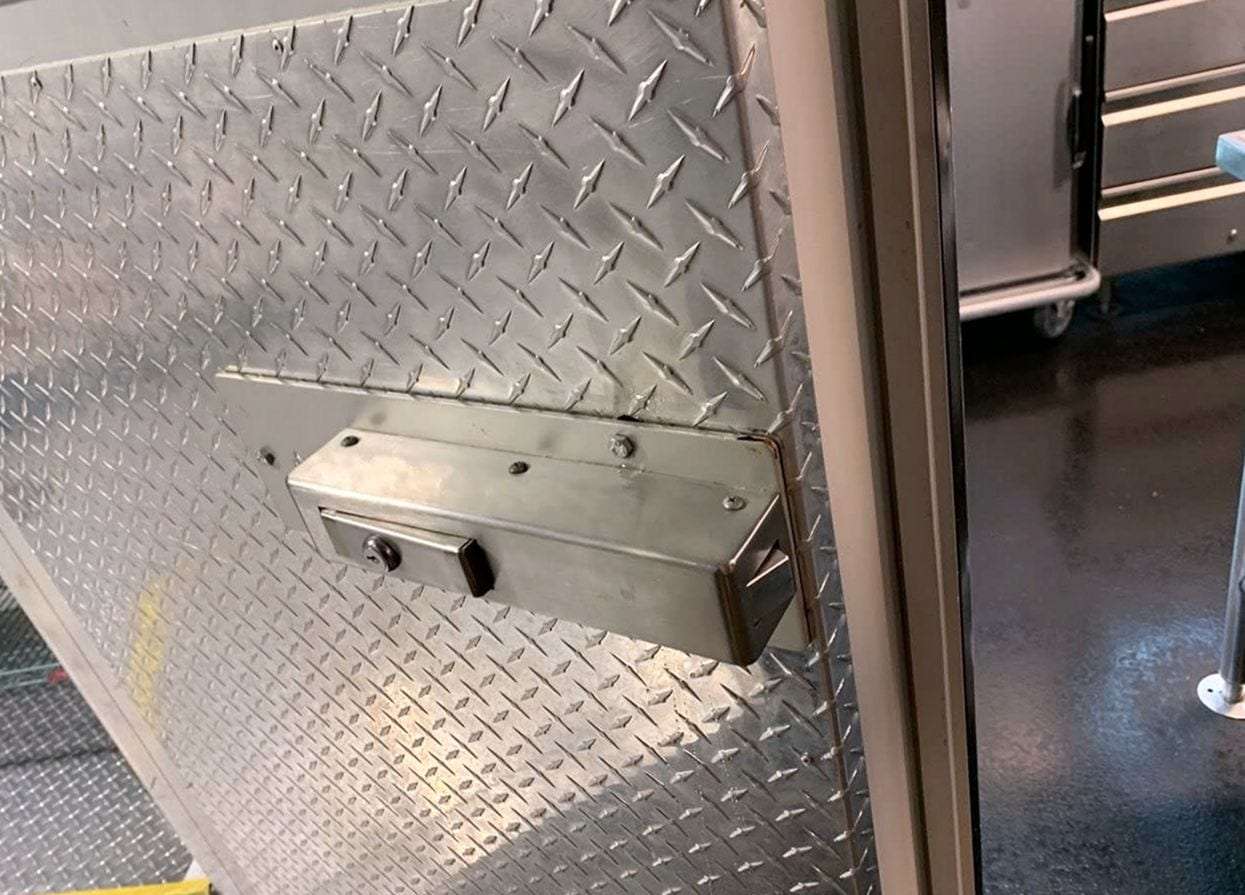
Exit doors carry a duty that front doors don’t. A panic bar or exit device has to open with one push from inside, every time, so people can get out in an emergency. An exit door should never be chained, padlocked or blocked, even after closing. If a bar sticks, rattles or needs a second push, it’s time for a check and some upkeep before it fails.
Information to Gather for a Business Lock Job
- The number of doors involved, inside and out.
- The door types: wood, steel, aluminum-framed glass, or a mix.
- Who needs which keys or codes, from the owner down to each employee or tenant.
- Any system already in place, such as a master key setup, keypads or keyed-alike cabinets.
- The hours when work is possible without getting in the way of customers or staff.
Front Doors and Keypads
The front door of a shop or office has two jobs: welcome customers during the day and lock up tight at closing. Glass storefront doors use narrow locks set into a slim aluminum frame, often with a thumb turn inside and a cylinder outside. Office entrances usually add a closer that has to be set so the door latches without slamming.
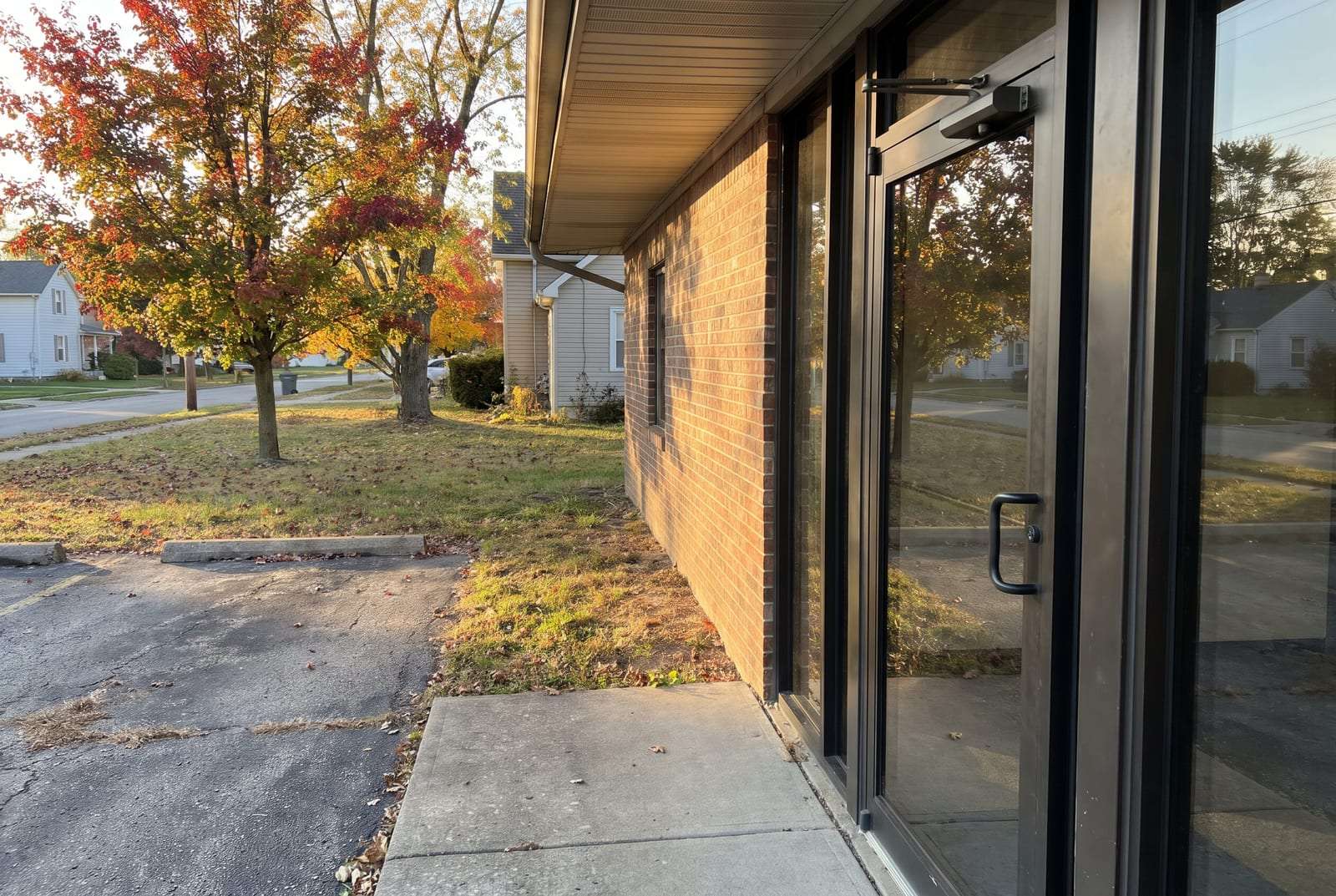
A keypad can take the place of keys on doors that many people use, and a smart lock can let you change codes without visiting the door. On a glass door the right choice depends on the frame, so it’s worth looking at the door before picking the hardware. If you’re weighing a change at your business, book an appointment and mention which doors you have in mind.
What Business Owners Ask
What is a master key system, and does a small office need one?
In a master key system, each door has its own key, and one master key opens all of them, or a chosen group of them. It suits a small office, where the owner or manager needs every door and staff need only their own, and a rental property, where each tenant has a unit key and the owner or property manager holds the master.
Planning comes first. A simple chart of who opens what keeps the system tidy as people come and go.
Do I need to rekey after a change of staff or tenant?
It’s wise whenever a key leaves with someone you can’t ask for it back, or when you can’t account for every copy. Rekeying changes the pins inside the cylinders so the old keys stop working, while the locks themselves stay on the doors. With a master key system, the affected cylinders can be rekeyed without starting over.
Is a keypad better than a key for a business door?
It depends on how many people use the door. Keys are simple and need no batteries, but every copy is one more thing to collect when someone leaves. A keypad lets each person have a code and lets you drop that code when they go, which suits doors used by many people or several shifts. Many keypad locks also take a key as a backup, and battery checks become part of the routine.
Planning a rekey or a master key system? We’d be glad to talk it through.