
Lock Repair and Rekeying Around Columbus
A lock that sticks, spins or won’t latch can usually be put right without buying a new one. We fix worn cylinders, old mortise sets and storm door hardware, rekey locks and draw out broken keys.
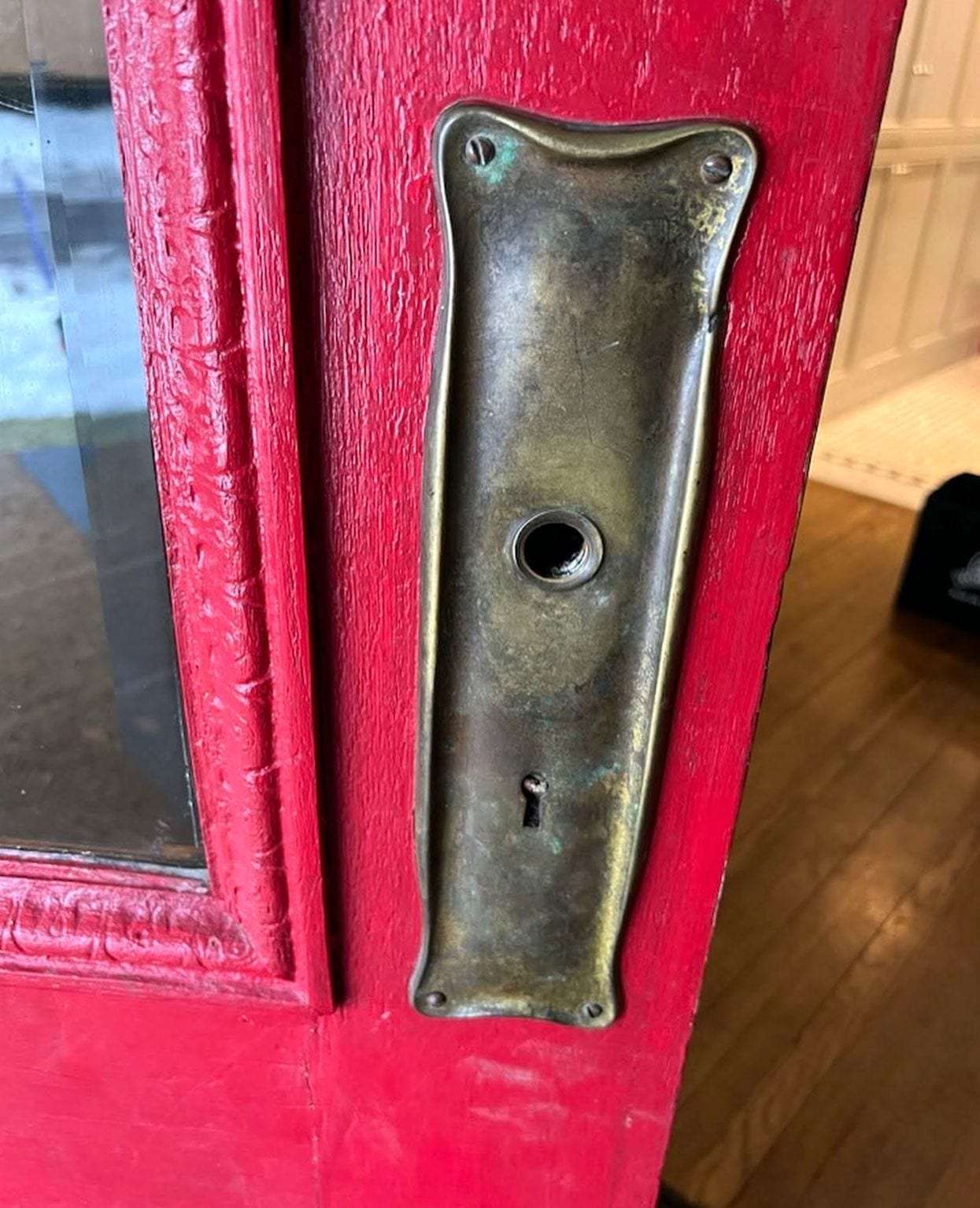
Locks wear out slowly. Pins and springs inside the cylinder get tired, grit works its way in, and doors shift on their hinges until the bolt no longer meets its hole. Most of that can be repaired, and a repaired lock that fits your door is often better than a new one that doesn’t.
Fix What’s There First
The first question with any lock is whether it can be put right. A cylinder can be cleaned, repinned or rekeyed. A latch can be freed up, a strike plate moved, a loose knob set back on a new spindle. When a lock has truly reached the end of its life, we’ll say so plainly, and we won’t push a new lock you don’t need.
| Problem | Typical signs | What the repair involves | Applies to |
|---|---|---|---|
| Worn cylinder | Key needs a jiggle, turns rough or works from one side only | Cylinder cleaned and repinned, or swapped for a new one | Door, cabinet |
| Broken key in the lock | Part of the key stays in the keyway | Piece drawn out with thin extractor tools, then the cylinder is checked | Door, cabinet, vehicle |
| Latch won’t catch | Door swings open or needs a slam to stay shut | Latch freed and lubricated, strike plate moved to meet it | Door |
| Deadbolt stops short | Bolt won’t fully extend; the key is stiff with the door shut | Strike hole deepened or moved, hinges tightened | Door |
| Loose knob or lever | Handle wobbles, or spins without pulling the latch | Screws tightened, worn spindle or spring replaced | Door, cabinet |
| Tired mortise lock | Stiff key, sticking latch, a knob that droops | Lock body opened and cleaned, worn springs and parts replaced | Door |
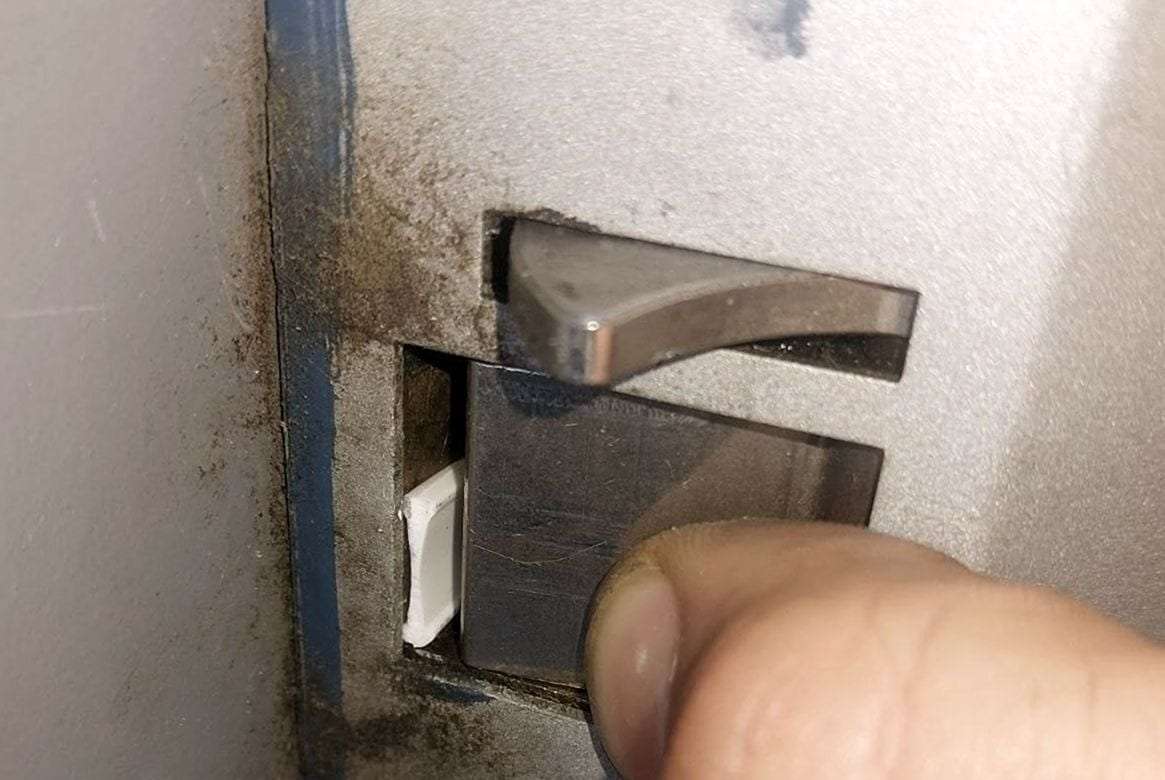
| Storm door hardware | Latch won’t hold; handle is loose or cracked | Handle set and latch adjusted or replaced | Door |
| Window lock won’t close | Lock misses its keeper or turns loosely | Keeper realigned, lock reset or replaced | Window |
Signs a Lock Needs Repair
Any one of these is worth a call before the lock quits on you.
- The key sticks, drags or needs a jiggle to turn
- The key turns, but the bolt doesn’t move
- The knob or lever is loose or wobbles
- The deadbolt won’t fully extend into the frame
- The door won’t latch unless you push or slam it
- The key is worn thin, bent or cracked
Old Mortise Locks Worth Keeping
Much of Columbus was built in the late 1800s and early 1900s, and neighborhoods like German Village and Victorian Village still have brick houses with their original mortise locks. A mortise lock sits in a pocket cut into the edge of the door, so swapping it for a modern lock usually means filling and recutting the wood. Repairing the old one, with new springs and a cleaned, adjusted lock body, keeps the door as it was built.
Many of those doors have also been rehung more than once over the years. When an old lock seems to fight you, the trouble is often the door sitting a little out of line, and setting the door right can bring the lock back with it.
Repair It or Replace It
Four quick answers give you a fair idea of what a lock needs before anyone takes it apart.
Four answers, one suggestion
Then press Check It, and we’ll suggest whether the lock sounds like a repair, a replacement or one to look at first.
When a Repair Can’t Wait
Some lock trouble won’t keep until a booked visit. If you’re locked out, if a key has snapped off with you on the wrong side of the door, or if a lock fails and the door won’t secure, that’s urgent service. Call (614) 705-0107 and we’ll help you with the first step.
Repair Questions We Hear
Is rekeying the same as a repair?
Not quite. Rekeying changes the pins inside the cylinder so a new key works and the old keys don’t. A repair fixes something worn or broken, like a tired spring or a latch that won’t catch. A worn lock often gets both: it’s repaired so it turns smoothly, then rekeyed so only your keys fit.
What should I do if a key breaks off in the lock?
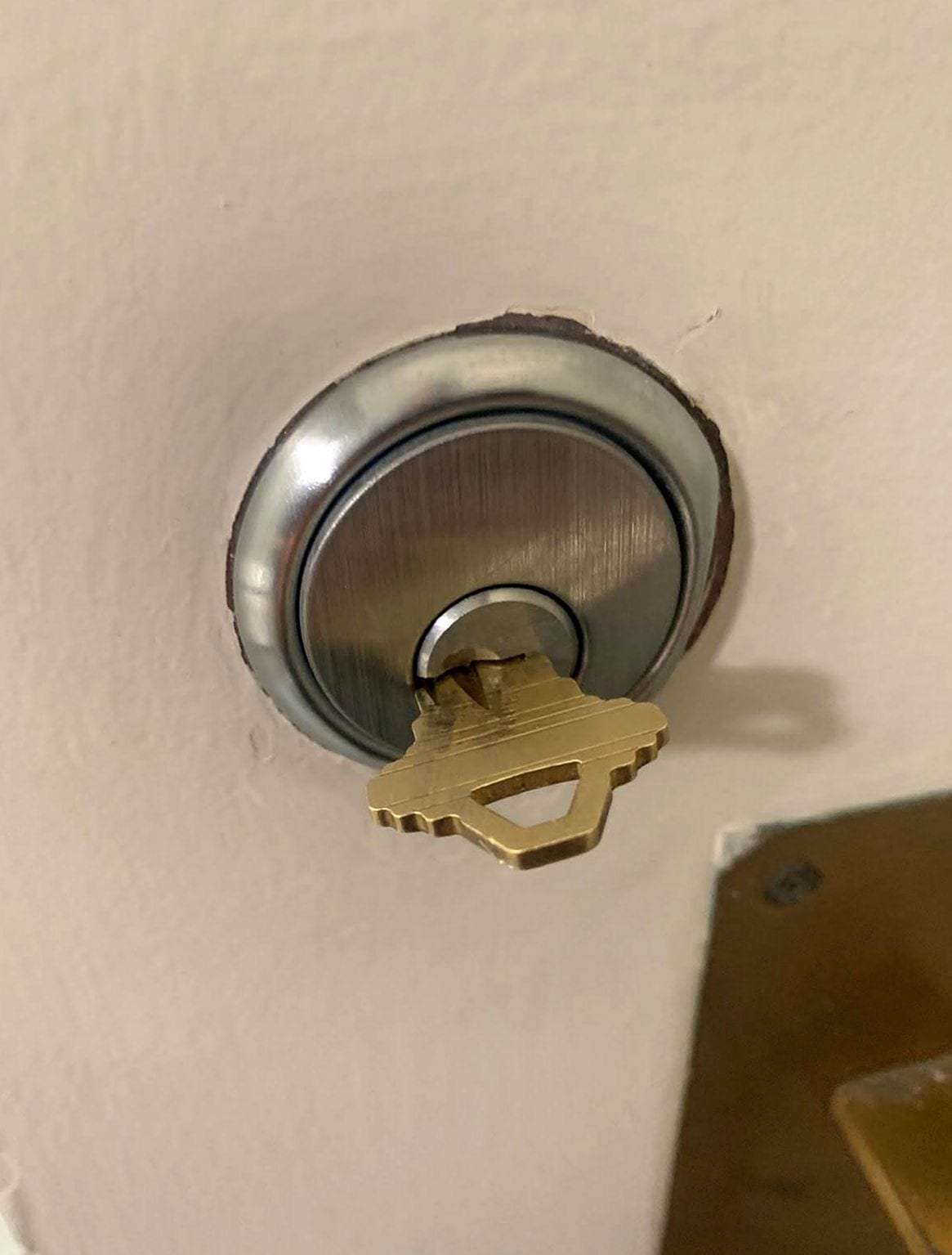
Leave it where it is. Pushing the other half in, or reaching for glue or a paper clip, tends to drive the piece deeper and can damage the pins. A locksmith draws the piece out with thin extractor tools and checks the cylinder. Keep the half you’re holding, since a new key can often be cut from it.
Why won’t my door latch anymore?
Usually the door has moved, not the lock. A sagging hinge or a swollen frame lets the latch miss its strike plate by a little, and a little is enough. Tightening the hinges or moving the strike plate often sets it right. If the latch itself is sticking, it can be cleaned and lubricated or replaced.
Why do my locks stick when it gets cold?
Ohio winters, with their freeze and thaw cycles, swell and shrink wood frames, so latches bind and bolts stop lining up with their strikes. Moisture can also freeze inside a cylinder.
Use a lubricant made for locks rather than a heavy oil, which collects grit, and don’t pour hot water into a frozen lock, since it only freezes again. If the trouble comes back every winter, the strike or the hinges usually need adjusting.
Booking a Repair
When you book an appointment, a few words about which door it is, what the lock is doing and how long it’s been going on help us come prepared. You don’t need to know the brand or the model of the lock. We’ll see that when we get there.
If a lock is acting up, we’ll take a look and tell you straight what it needs.